
The last 5%
Can we explain what makes a difference?

At some point, the game changes.
Early on, improvement is obvious. Run more, get fitter. Lift, get stronger. Eat better, feel better. The inputs and outputs are tightly connected, and progress feels predictable.
Then it stops. Not completely, but enough to notice. The easy gains are gone, and what remains is smaller, less reliable, and often harder to explain.
This is where the last 5% lives.
This is where things get uncertain and that can be uncomfortable. This week, hopefully I can ease your mind when it comes to being detail-oriented in your athletic endeavors.
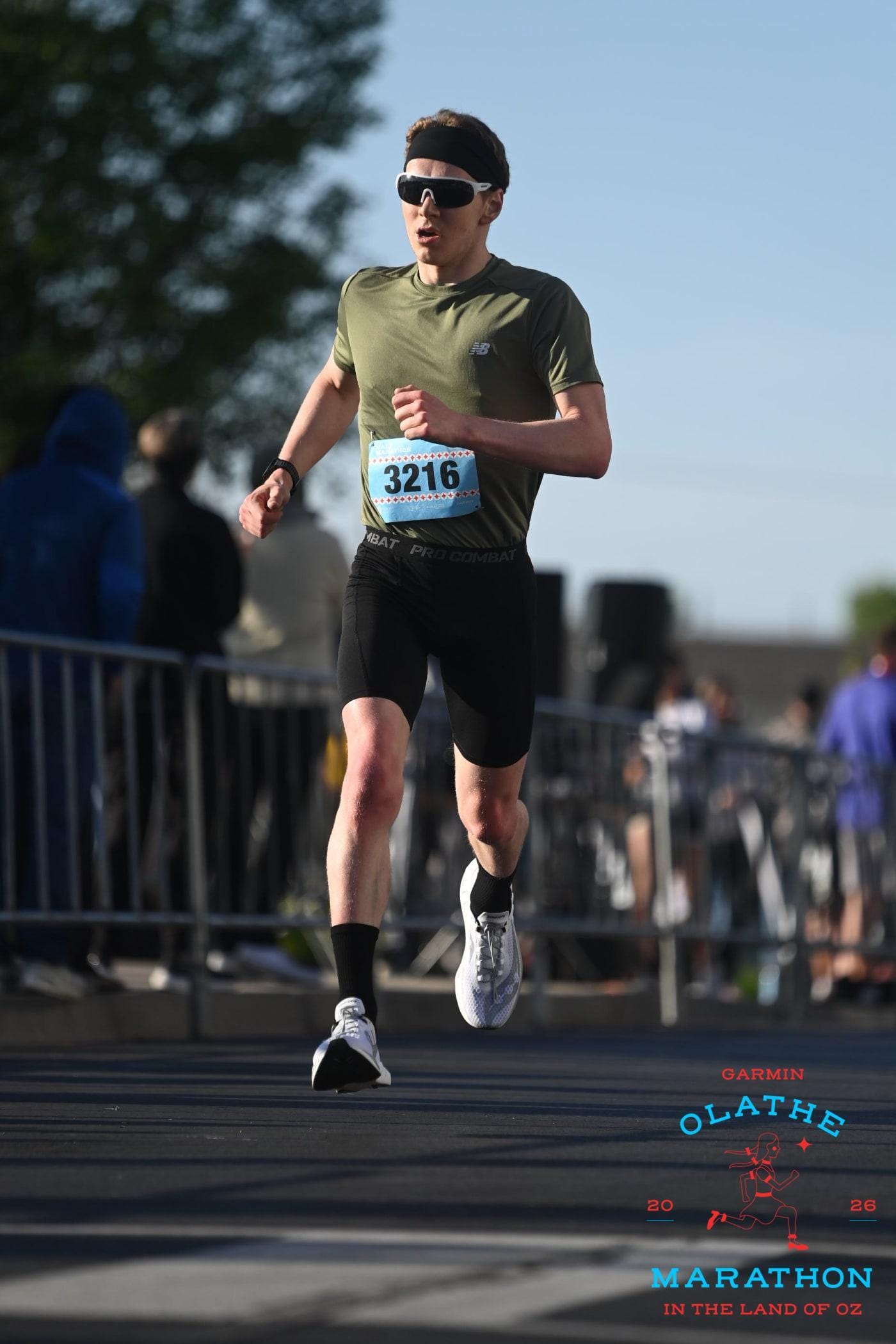
In coaching, we’re trained to look for cause and effect.
If an athlete improves, we want to know why and we want to replicate it. The athlete does too. We build systems around this idea: that progress is something we can engineer. And we can, but the closer someone gets to their ceiling, the harder that becomes.
The margin for improvement shrinks, so progress may need to look different.
An athlete adds a second threshold session each week and runs a personal best.
Was it the extra session? Or the accumulation of the previous six months? Or the mental boost from feeling they did “more”? (yes this is a thing). Or maybe it was just chance (crap, that is possible too).
We want clean answers. We rarely get them.
This is the paradox of the last 5%. The interventions become more precise,
but our certainty about them often decreases and there’s a tendency here to go in one of two directions.
The first is overconfidence.
We convince ourselves that this was the thing. The cold plunge. The exact interval. The new drill. We anchor to it, prescribe it, and build narratives around it because certainty feels better than ambiguity. That also happens to have a nice sales pitch.
The second is dismissal.
We throw our hands up and say none of it matters. That it’s all noise. All placebo. All random.
But that’s not quite right either because something is happening. The athlete who believes in the extra 10 minutes of work might train with a little more intent.
or buy into the plan with less hesitation.
That belief changes behavior.
That behavior changes exposure.
And over time, repeated exposure to something “good” can change outcomes.
So even if the intervention isn’t directly responsible in a physiological sense, it may still matter.
And sometimes, it is physiological.
At the highest levels, small differences in stimulus can create real adaptation:
A slightly more specific session can improve durability at race pace.
A marginal gain in strength can shift load tolerance just enough.
A subtle change in volume can tip the balance between stagnation and progression.
But these effects are small. And you also need to ask whether you are even at this level. These effects are highly dependent on context.
Thus, coaching becomes more about judgement.
Not just what to do, but when to do it.
Not just what works, but what’s worth trying.
Because in the last 5%, you’re making bets. Educated ones, hopefully. Informed by experience, pattern recognition, and physiology.
These can be a part of a successful process but not the guarantee of it. For you, it is more likely about the body of work you have assembled.
A good mix of hard/easy training
Sound recovery habits
Stable mood and stable physical performance
Good relationships with friends, family, colleagues outside of training
The hope is that this body of work enables you to create something more than a race time by doing the activity you enjoy most. If that body is failing, the wheels fall off, and the 5% conversation is entirely useless.
The last 5% is uncomfortable because it is immaterial. You cannot really put a finger on it and maybe that is why you should treat it like the last 5%.
“If I get around to it, it would be nice to have.”
Maybe it is a privilege to get to the level where it may matter to focus in this narrow space. It means you have set up a nice body of work and that is where many people fall short.
All of the progression that has happened over a year or multiple years is a byproduct of a person showing up for the whole time and not just a single threshold/double T workout.
All the benefits in life come from compound interest — money, relationships, habits — anything of importance. Also the progression stall/plateaus before going to he next level but the person should not keep showing up because the rule of compounding then breaks and every day we are building on top of yesterday. All of fitness is an accumulation of the work put for the whole duration and not just a single workout/single sleep/single meal. It is thousand of repetitions/iterations put one over the other to keep progressing.
But wherever an athlete is- be it beginner, amateur, pro- every body is learning something on their journey of relentless growth and becoming the best version of themselves. No single metric has to be seen/used to construe the whole activity done. If we just use the 2D approach, then we will misinterpret a lot of things and won't be able to see the reality as we will be layered under the distorted reality. All of life's work has to viewed from different perspectives to have a broaden aperture of view of what one is doing
I am also learning things here & there.